Ultimate Guide to Building and Maintaining an Asphalt Driveway
A solid, smooth driveway does more than get you from the road to your garage — it adds value, boosts curb appeal, and keeps your property looking sharp. This ultimate guide to building and maintaining an asphalt driveway from CCS Construction breaks down everything you need to know to get the longest life and best performance out of your investment.
Why Asphalt is the Smart Choice
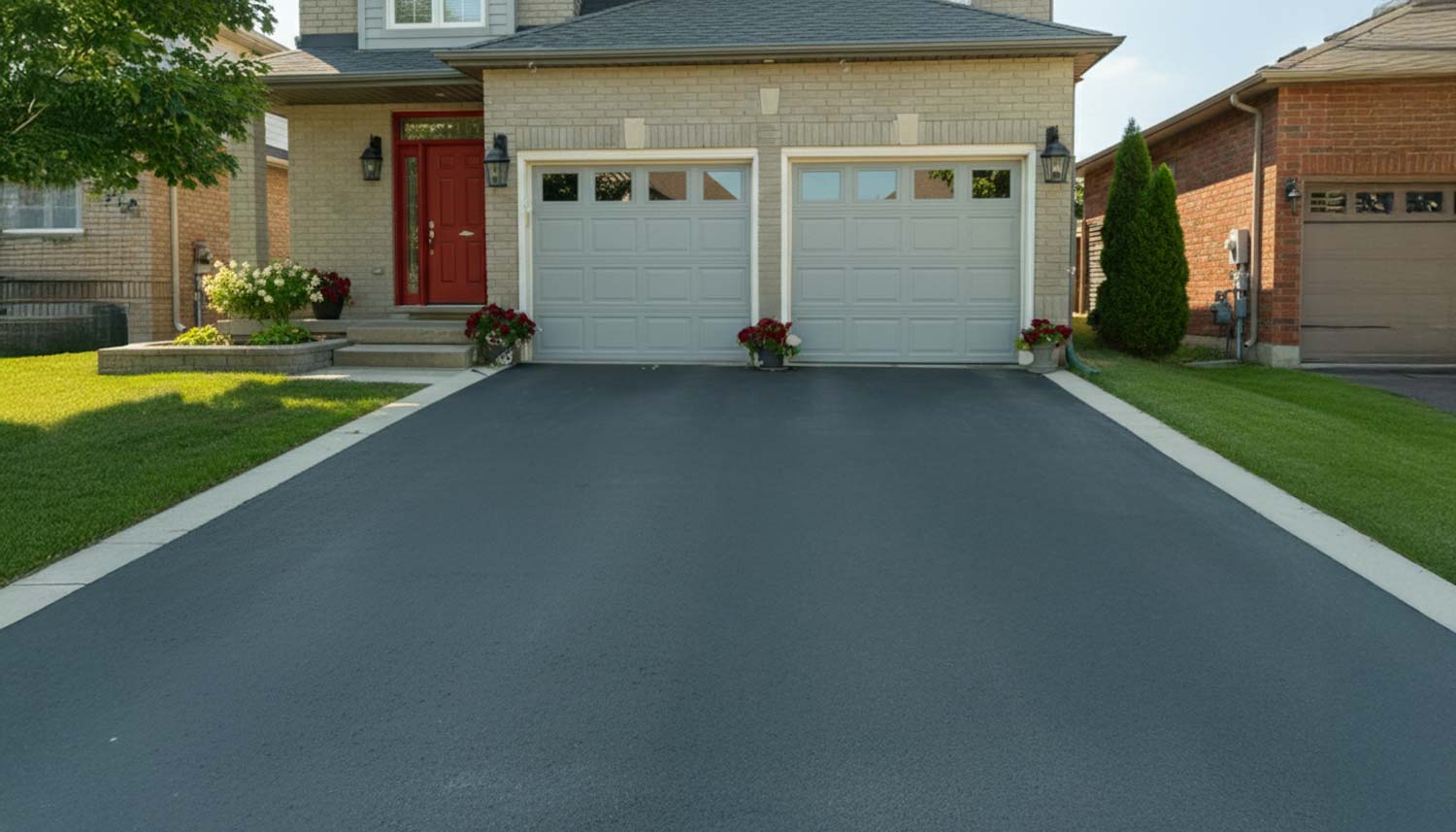
If you’re looking to install or replace your driveway, asphalt paving is one of the most reliable, cost-effective options on the market. It’s durable, flexible, and designed to handle Georgia’s ever-changing weather. Whether you’re in the rolling hills of North Georgia or the busy Atlanta suburbs, a properly built asphalt driveway gives you years of use with minimal maintenance.
Asphalt surfaces also have a clean, finished look that complements both modern and traditional homes. They can be customized with borders, edging, or colored sealants to match your property’s aesthetic. With the right materials and an experienced asphalt company, you can achieve a professional-grade result that stands the test of time.
Understanding the Basics of Asphalt Driveways
What Is Asphalt?
Asphalt is a mix of aggregates — such as sand, gravel, and crushed stone — bound together by bitumen, a petroleum-based binder. When heated and laid correctly, it creates a smooth, flexible surface that can endure heavy loads and harsh elements.
The flexibility of asphalt helps it resist cracking and shifting better than concrete. It’s also easier to repair and resurface, which makes it a long-term, sustainable choice for homeowners.
The Key Benefits of Asphalt Driveways
- Affordability – Asphalt is less expensive to install than concrete, making it ideal for homeowners who want a strong, lasting surface without breaking the bank.
- Durability – With proper care, an asphalt driveway can last 15–25 years or more.
- Quick Installation – Asphalt can be ready to use within a day or two after paving, unlike concrete, which may take a week to fully cure.
- Smooth Finish – It provides a clean, uniform surface that enhances curb appeal.
- Easy Repairs – If damage occurs, small cracks or holes can be patched quickly without replacing the entire surface.

The Step-by-Step Process of Building an Asphalt Driveway
At CCS Construction, we believe a strong foundation is the key to any lasting driveway. Here’s how we approach building and maintaining an asphalt driveway for our residential and commercial clients.
Step 1: Site Evaluation and Planning
Before any paving begins, the site is carefully evaluated. We inspect drainage, soil composition, and existing terrain. Poor drainage or soft soil can cause premature cracking and rutting. A good asphalt company in North Georgia will create a plan that ensures proper water flow away from your property.
Step 2: Demolition and Removal
If an old driveway or concrete pad exists, it must be removed. The team clears away debris, old asphalt, and vegetation. The goal is to create a clean base layer ready for grading.
Step 3: Grading and Sloping
This stage sets the groundwork for drainage and stability. The surface is leveled and graded to slope slightly away from structures, allowing water to run off naturally. Proper grading prevents pooling, which can weaken the asphalt driveway over time.
Step 4: Base Preparation
The base is the unsung hero of any driveway. Crushed stone or gravel is compacted to form a solid, stable foundation. A strong base supports the asphalt surface and prevents shifting under weight or weather changes.
Step 5: Installing the Binder Layer
A binder layer is placed between the base and the top layer of asphalt. It contains larger aggregates for added strength and durability. This middle layer absorbs stress and prevents cracking on the surface.
Step 6: Laying the Asphalt Surface
Next comes the top layer — the smooth, black finish everyone recognizes. This surface mix uses smaller aggregates for a refined look and tight seal. The asphalt is poured while hot and then rolled to create a compact, seamless surface.
Step 7: Curing and Compaction
Once the asphalt is laid, it’s compacted using heavy rollers to ensure uniform thickness and strength. The curing process usually takes 24–48 hours, depending on temperature and humidity. During this time, vehicles should avoid driving on it.
Step 8: Edging and Finishing Touches
To complete the look, we add clean, defined edges using curbing, stone, or concrete borders. Proper edging prevents crumbling and adds to the overall appearance.
Driveway Design and Enhancement Options
A driveway doesn’t have to be plain. Homeowners across North Georgia are customizing their asphalt driveways to enhance appearance and performance.
Decorative Edging and Borders
Adding brick, paver, or stamped concrete edging creates a defined frame around your asphalt driveway. It boosts curb appeal and prevents spreading at the edges over time.
Drainage and Lighting
Installing subtle trench drains, channel grates, or French drains can help manage runoff and prevent erosion. Low-profile LED lighting along the borders or near the entryway adds visibility and sophistication, especially at night.
Textured Sealcoats
Some homeowners choose tinted or textured sealcoats to give their asphalt paving a distinct finish. These coatings not only enhance appearance but provide an additional layer of UV and moisture protection.
Common Mistakes Homeowners Make During Driveway Construction
Even the best materials can fail if installation is rushed or improperly handled. Here are the most common pitfalls to avoid when building an asphalt driveway:
- Skipping Proper Base Work – A weak base means a short lifespan. Never cut corners during grading or compaction.
- Poor Drainage Design – Standing water is one of the top causes of early deterioration. Always ensure water drains away from the pavement.
- Using the Wrong Contractor – Not every paving crew has the same level of experience. Always work with a trusted asphalt company that specializes in your region’s conditions.
- Driving Too Soon – Fresh asphalt needs time to set. Parking on it too early can cause depressions and marks.
Ignoring Sealcoating – Without sealing, asphalt is exposed to UV rays, oil, and moisture, all of which shorten its life.
Maintaining Your Asphalt Driveway for Long-Term Performance
A new driveway is only as good as the care it receives. Regular upkeep keeps it looking new and prevents small issues from turning into major repairs. Here’s what you can do to extend the life of your asphalt driveway.
1. Clean Regularly
Sweep off debris like leaves, dirt, and gravel. Stains from oil or gas should be cleaned right away using degreaser and a stiff brush. Keeping the surface clean prevents chemical damage and staining.
2. Fill Cracks Early
Small cracks may seem harmless, but water can seep in, freeze, and expand, leading to larger damage. Crack filling every 1–2 years is an inexpensive way to preserve your investment.
3. Sealcoat Every Few Years
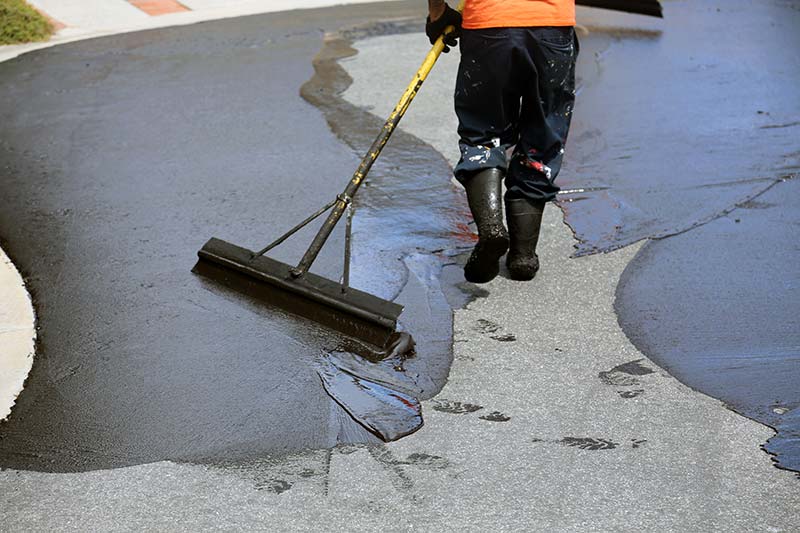
Sealcoating adds a protective layer that shields the asphalt from sunlight, moisture, and chemicals. Most driveways should be sealed every 2–3 years. It restores the rich black finish and helps prevent brittleness.
4. Avoid Heavy Loads
If possible, keep heavy vehicles like RVs or construction equipment off your driveway. Their weight can cause indentations and long-term stress.
5. Manage Drainage
Make sure gutters, downspouts, and surrounding landscaping direct water away from the driveway. Water is the biggest enemy of asphalt — managing it properly adds years to your surface.
Seasonal Care Tips for Asphalt Driveways
Spring
Inspect your driveway for cracks and potholes after winter. The freeze-thaw cycle can cause expansion and small separations. Early spring is the best time for patching and resealing.
Summer
High heat can make asphalt soft. Try to avoid parking in the same spot every day, especially during peak heat hours. Rinse the surface occasionally to remove dust and oil buildup.
Fall
Clean up leaves and organic debris before they decay and stain the pavement. Consider applying sealcoat before winter to protect from freezing conditions.
Winter
Avoid using harsh chemical de-icers. Instead, use sand for traction. Shovel snow with a plastic shovel to prevent surface scratches.
Repair and Restoration Options
Even well-maintained driveways eventually need repair. The good news is that asphalt is easy to restore. Depending on the damage, your asphalt company may recommend one of these options:
Crack Filling
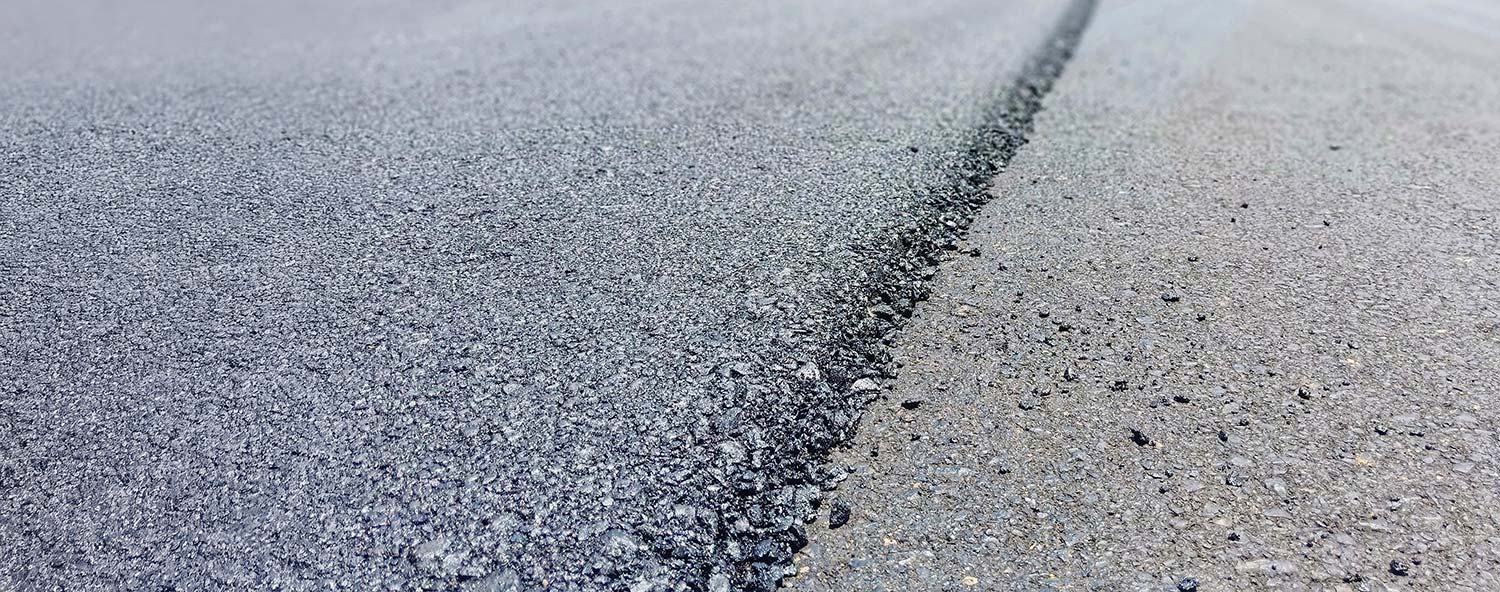
Perfect for minor surface cracks. The filler seals out moisture and prevents expansion during cold months.
Patching
When sections begin to crumble, patching removes damaged asphalt and replaces it with new material. It’s a fast, affordable fix.
Resurfacing
If the surface shows widespread wear but the base remains strong, resurfacing can add a new layer of asphalt over the old one. It restores appearance and durability at a fraction of the cost of full replacement.
Full Replacement
If cracks, potholes, or drainage issues are severe, full replacement is the most effective long-term solution. A professional asphalt company in North Georgia like CCS Construction can evaluate whether your driveway qualifies for resurfacing or if it’s time to start fresh.
Extending the Lifespan of Your Driveway
A properly installed asphalt driveway can last two decades or more, but with careful attention and a few smart habits, you can stretch that lifespan to 30 years or longer.
- Stay on Top of Repairs – Don’t delay fixing cracks or depressions. Addressing problems early stops them from spreading.
- Use Quality Sealants – Choose high-quality sealcoating products applied by professionals to ensure maximum protection.
- Monitor Edges – Keep soil, roots, and plants trimmed back to prevent encroachment that weakens the borders.
- Avoid Sharp Turns – Sharp steering when your vehicle is stationary can scuff and damage the asphalt surface.
Regular Professional Inspections – Schedule a yearly inspection with an asphalt company like CCS Construction. Experts can identify weak spots before they become major concerns.
Longevity and Cost Expectations
A professionally installed asphalt driveway can last 20 years or longer with consistent care. The average cost varies based on thickness, materials, and location. In North Georgia, you can expect to pay between $4 and $8 per square foot for new asphalt paving.
While it may be tempting to choose the lowest bid, cheaper isn’t always better. A reputable asphalt company in North Georgia will use the right mix design, proper equipment, and skilled labor to deliver a driveway that performs well for decades.

Green and Sustainable Asphalt Options
Modern asphalt companies are embracing eco-friendly methods to reduce environmental impact. Many use reclaimed asphalt pavement (RAP), which recycles old materials into new surfaces. This reduces waste and lowers carbon emissions.
Permeable asphalt is another option that allows water to filter through instead of running off. It helps recharge groundwater and prevent erosion. CCS Construction uses sustainable practices and materials to build driveways that are as kind to the earth as they are to your budget.
How to Choose the Right Asphalt Company
Selecting the right contractor is one of the most important steps in building and maintaining an asphalt driveway. Look for these key traits when hiring:
- Local Experience – Choose a local asphalt company in North Georgia familiar with soil types, weather, and drainage patterns.
- Proper Equipment – Modern rollers, pavers, and compactors make all the difference in the quality of your surface.
- Transparent Pricing – A trustworthy company provides detailed quotes with no hidden fees.
- Strong References – Check reviews and ask to see completed projects.
Warranties – A good contractor stands behind their work and offers a warranty on materials and labor.
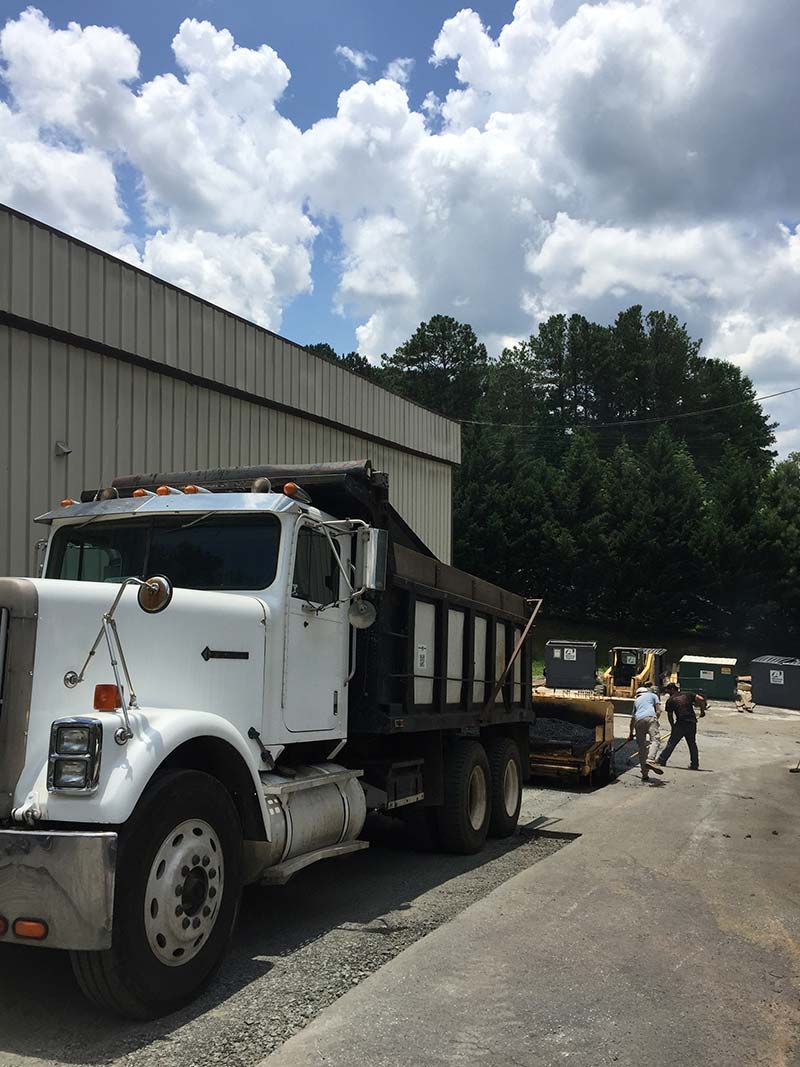
Why Choose CCS Construction for Your Asphalt Driveway
At CCS Construction, we’ve built our reputation on craftsmanship, reliability, and integrity. Our team brings decades of experience delivering smooth, long-lasting asphalt paving projects across North Georgia. From new installations to full restorations, we take pride in every square foot we lay.
We don’t just pave driveways — we build lasting value. Our process begins with a full site assessment and ends with a surface that performs beautifully for years. We handle every stage, including grading, compaction, and finishing touches, to ensure durability and aesthetics go hand in hand.
Our work isn’t just about asphalt; it’s about helping homeowners and businesses invest wisely in their property. Whether you need a new asphalt driveway, parking lot, or custom pavement solution, CCS Construction is the asphalt company in North Georgia you can count on.
Conclusion
Building and maintaining an asphalt driveway is one of the smartest investments you can make for your property. When done right, it delivers strength, beauty, and longevity that concrete can’t match. With routine care and help from a trusted asphalt company, your driveway can stay looking brand-new for decades.
At CCS Construction, our goal is simple — deliver top-tier results that make every project last. If you’re ready to build a driveway that’s as tough as it is beautiful, we’re ready to get to work.
FAQ
How long should I wait before driving on a new asphalt driveway?
Typically, you should wait 24 to 48 hours to allow the surface to cure properly.
How often should I sealcoat my driveway?
Every 2–3 years is ideal to protect against weather and UV damage.
Can I resurface an existing concrete driveway with asphalt?
Yes, but the concrete must be in good structural condition for proper adhesion.
What’s the best time of year to install asphalt?
Spring and summer offer the best temperatures for paving in North Georgia.
How can I tell if my asphalt needs to be replaced?
If you notice widespread cracking, potholes, or drainage issues, it may be time for full replacement.
Does asphalt require special maintenance in winter?
Avoid de-icing salts and use sand for traction to prevent surface damage.
Can I add decorative borders or textures to my driveway?
Absolutely. Many homeowners choose stone or concrete edging for a finished look.
Can a damaged driveway still be resurfaced?
Yes, as long as the base is structurally sound, resurfacing is a cost-effective solution.
What’s the typical lifespan of a sealcoat?
Sealcoating usually lasts 2–3 years depending on climate and traffic levels.
Does CCS Construction offer warranties?
Yes. We stand behind every project with workmanship and material guarantees.