How to Maintain Your Asphalt Driveway
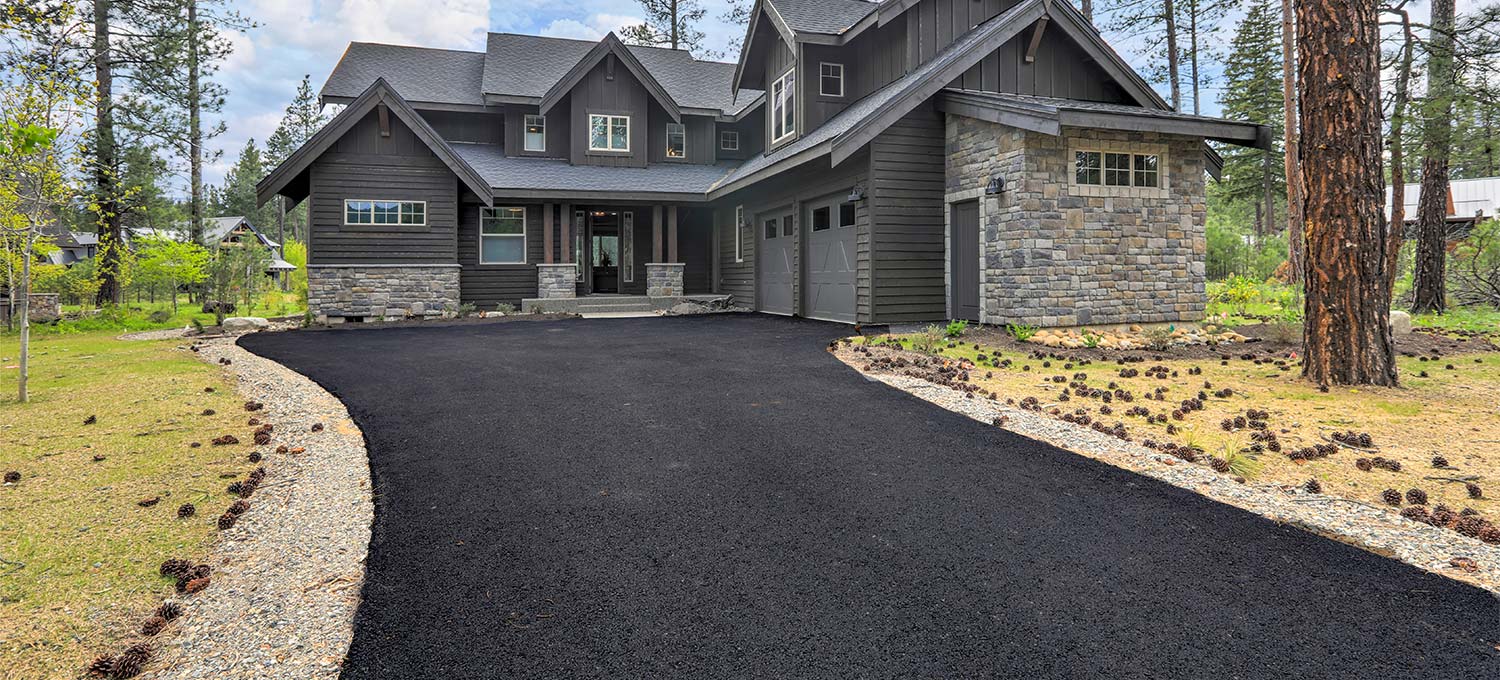
At CCS Construction, we believe every asphalt driveway deserves the same level of care as the roads we drive on daily. Your driveway is the first thing people see when they arrive at your home, and it also carries the daily load of cars, trucks, kids playing, and changing weather. A strong driveway not only boosts your property’s appearance but also saves you money in the long run by avoiding costly replacements.
We’ve worked with families across Canton, Woodstock, Holly Springs, and Cartersville, and the same truth applies everywhere: asphalt driveways last far longer when homeowners keep up with regular maintenance. Below, we’ll walk you through what you need to know to keep your driveway smooth, safe, and built to last.
Why Asphalt Driveway Maintenance Matters
Your driveway may look simple, but it’s actually a layered system. The base supports the weight, and the asphalt surface seals and protects it. When cracks form, water seeps down to the base. That’s when the real problems start—erosion, potholes, and even sections of pavement collapsing requiring a major asphalt driveway repair.
Catching problems early is always cheaper and easier. Filling a crack costs little. Replacing a collapsed driveway costs thousands. That’s why CCS Construction stresses preventative care. We’d rather see your driveway last 30 years than replace it at 15.
Across North Georgia, our climate can be tough on asphalt. Hot summers bake the surface, heavy rains test the drainage, and cold snaps bring freeze-thaw cycles that break apart weak spots. That’s why routine care is so important, especially in areas like Canton and Woodstock, where seasons change quickly.
Essential Asphalt Maintenance Tasks
A consistent routine will give your driveway the best chance at a long life. Here’s a deeper look at the steps you should take:
Sweeping and Cleaning
It may sound basic, but keeping the surface clean is powerful. Leaves, branches, dirt, and gravel trap moisture and grind into the asphalt under your tires. This weakens the top layer and makes cracks more likely.
We recommend sweeping your driveway at least once a month and especially after storms. Homeowners in Holly Springs and Cartersville often call us after heavy rains to help clear debris before sealing. A power wash once or twice a year will also remove oil spots and dirt that sweeping can’t handle.
Crack Repairs
Cracks are the first warning sign. They might start hairline-thin, but they never stay that way. Water sneaks in, freezes, and pushes the crack wider. Before long, you’re dealing with potholes.
For small cracks, you can buy asphalt patch products at home improvement stores. But if you see spreading cracks or multiple areas failing, CCS Construction can provide a professional repair that blends seamlessly with the rest of your driveway.
Pothole Patching
Few things are harder on your car—or your patience—than a pothole in your own driveway. Potholes form when cracks are ignored, and water erodes the base layer. Patching quickly is key.
Small potholes can be filled with store-bought kits, but they rarely last long. In Canton and Woodstock, we often cut out the damaged section and replace it with fresh asphalt, ensuring a permanent solution that won’t reopen the next time it rains.
Sealing
Sealing your asphalt driveway is like putting sunscreen on your skin. It shields against UV rays, rain, and oils that break down asphalt. A fresh sealcoat gives your driveway a rich black finish while protecting the surface underneath.
We recommend resealing every two to three years. If you live in Holly Springs or Cartersville, where sunlight and heat can be intense in summer, staying on top of sealcoating is even more important.
Weed Removal
Weeds are more destructive than they look. Roots force their way into cracks and pry the asphalt apart. Before sealing or patching, always remove weeds. You can pull them by hand or use safe treatments like vinegar. CCS Construction clears weeds as part of our crack repair process, so repairs bond correctly.
Winter Prep
Winters in North Georgia may not be extreme, but even mild freeze-thaw cycles damage asphalt. Salt accelerates deterioration, so we recommend sand or calcium-based products for traction. Before cold weather hits, check your sealant and repair cracks. This keeps water out of the pavement and prevents winter damage.
Best Practices for a Longer-Lasting Driveway
Following a routine will make your driveway stronger and longer-lasting. Here are some simple but powerful habits:
- Seal New Driveways: A fresh driveway needs time to cure, but sealing once it’s ready locks in strength.
- Choose the Right Sealer: Latex, acrylic, and siloxane-based sealers work best for asphalt. Avoid oil-based sealers—they shorten the life of your pavement.
- Stick to a Schedule: Mark your calendar for resealing every two to three years. Homeowners who wait five or more years often see bigger problems form.
- Repair Immediately: Don’t put off filling cracks or potholes. The longer you wait, the bigger the repair bill.
- Limit Heavy Loads: Large trucks, trailers, or dumpsters put stress on the asphalt paving. If you need heavy equipment, use boards or mats to spread the weight.
- Clean Once a Year: A deep clean helps you spot issues early and keeps your driveway looking sharp.
- Plan Ahead: If you need resurfacing, schedule it for spring or early summer. The warmer weather helps asphalt set properly.
Repair vs. Replacement
Even the best driveways won’t last forever. Asphalt usually holds up 20 years, sometimes more with good care. But at a certain point, repairs won’t be enough.
Signs it may be time for a new driveway include:
- Pools of water after rain
- Large, spreading potholes
- Thin or brittle pavement
- Cracks running across the surface
- A failing base layer underneath
At CCS Construction, we evaluate each case honestly. In Canton, Woodstock, Holly Springs, and Cartersville, we’ve helped homeowners save money with repairs when replacement wasn’t necessary, and we’ve also provided full installations when driveways were too far gone. Our goal is to recommend the smartest option for your home and budget.
DIY or Call the Pros?
You can absolutely handle some driveway care on your own. Sweeping, power washing, and filling small cracks are all within reach for most homeowners. If you enjoy weekend projects, that’s a great way to keep up with minor maintenance.
But when problems get bigger—multiple cracks, recurring potholes, or drainage issues—professional help is worth it. CCS Construction has the right equipment, materials, and training to deliver results that last. We don’t just patch a problem; we make sure your driveway is strong enough to handle years of use.
How Much Does It Cost?
Costs vary depending on the size of your driveway and the level of damage. On average, repairs can range from a few hundred dollars for crack filling to a few thousand for larger projects. Full replacements typically cost between $4,000 and $9,000.
While these numbers may sound high, regular maintenance dramatically lowers the chance you’ll need a replacement early. A couple hundred dollars in sealing every few years is far cheaper than a full rebuild.
The CCS Construction Difference
We’ve been serving Canton, Woodstock, Holly Springs, and Cartersville for decades, and our reputation is built on reliability, honesty, and quality work. We don’t cut corners. Every project is handled with care—from the first inspection to the final cleanup.
Our customers choose us because we treat each driveway as if it were our own. We know the local soil, the weather patterns, and the challenges asphalt faces in North Georgia. That local knowledge allows us to provide solutions designed to last.
FAQ: Asphalt Driveway Maintenance
How long does an asphalt driveway usually last?
With proper care, 20 to 30 years is common.
What’s the best season for sealing a driveway?
Late spring or summer is ideal, when temperatures are warm and dry.
How do I protect my asphalt driveway during winter?
Keep it sealed, repair cracks before cold weather, and avoid rock salt.
Can an old driveway be resurfaced instead of replaced?
Yes, if the base is still solid. Resurfacing is often a cost-effective option.
Will sealcoating make a driveway slippery?
No, a professional sealcoat dries with a texture designed for traction.
What’s the most common mistake homeowners make with driveways?
Waiting too long to repair small cracks, which leads to major damage.
How often should I reseal an asphalt driveway?
Every two to three years is best to keep it protected.