A Guide to Calculating the Cost of an Asphalt Driveway
At CCS Construction, we talk with homeowners and business owners every week who want straight answers about driveway pricing. An asphalt driveway looks simple on the surface, yet the real cost depends on layers, preparation, materials, and long-term use. This guide is here to help you Calculate the Cost of an Asphalt Driveway with confidence, not guesswork. We believe informed customers make better decisions and end up happier with the finished result.
When you understand how pricing works, you avoid surprises and wasted money. You also gain clarity when comparing quotes from any asphalt company. Our goal is to walk you through every factor so you know exactly what you are paying for and why it matters.
Understanding What Goes Into an Asphalt Driveway
An asphalt driveway is more than a black surface poured onto dirt. It is a layered system designed to carry weight, resist weather, and drain water away from your property. Each layer plays a role in performance and lifespan, and each layer affects cost.
The base layer usually includes compacted stone or aggregate. This supports the asphalt and keeps it from shifting or cracking under pressure. Without a proper base, even the best asphalt mix will fail early and require repairs.
The asphalt layer itself is a blend of aggregates and liquid asphalt binder. Thickness matters here, especially in north Georgia where temperature swings and rainfall can stress pavement. Thicker asphalt costs more upfront but saves money over time.
Labor, equipment, and site access also factor in. Tight spaces, slopes, or poor soil conditions add complexity and increase pricing. These details are why two driveways of the same size can have very different costs.
Why Asphalt Is a Popular Driveway Choice
Many homeowners choose an asphalt driveway because it balances durability and affordability. Asphalt handles vehicle weight well and provides a smooth driving surface that feels clean and finished. It also cures faster than concrete, allowing use within days instead of weeks.
Asphalt performs well in climates like north Georgia where freeze-thaw cycles can damage rigid materials. Its flexibility allows it to expand and contract without cracking as easily. That flexibility reduces long-term repair costs.
Maintenance is straightforward and affordable. Sealcoating every few years extends the life of the driveway and keeps it looking sharp. Small cracks can be repaired before they turn into expensive problems.
From a cost perspective, asphalt paving often delivers a lower initial price than concrete while still offering decades of service when installed correctly. That value is why so many residential and commercial clients choose asphalt.
Average Asphalt Driveway Costs in North Georgia
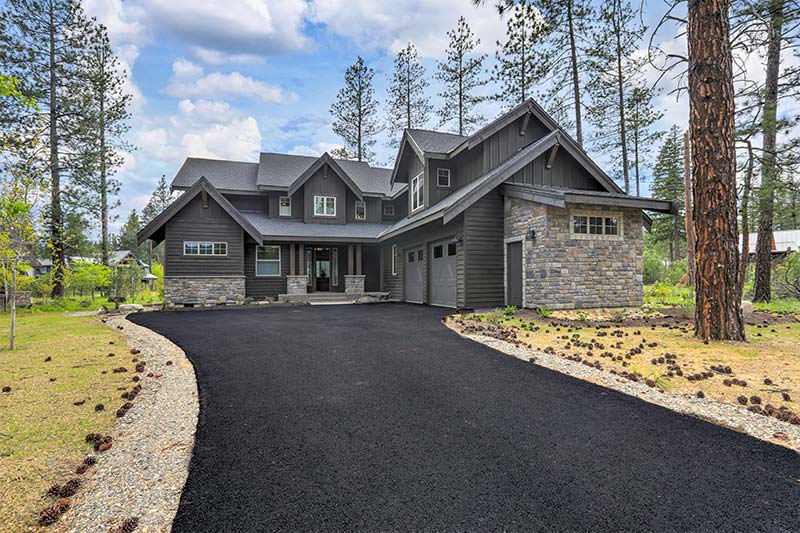
One of the most common questions we hear is about price per square foot. In north Georgia, an asphalt driveway typically ranges from $3 to $7 per square foot. That range depends on thickness, base preparation, and site conditions.
A standard residential driveway of 600 square feet may cost anywhere from $1,800 to $4,200. Larger driveways or commercial surfaces increase total cost but often reduce the per-square-foot rate. Every project is unique, which is why averages are only a starting point.
Driveways that require grading, drainage work, or removal of old pavement will land on the higher end of the range. Driveways built on stable ground with good access tend to cost less. Material prices and fuel costs also play a role.
Working with an experienced asphalt company in north Georgia ensures those variables are evaluated properly. Accurate pricing comes from understanding the site, not guessing from a chart.
How Size and Shape Affect Asphalt Pricing
The size of your asphalt driveway is the most obvious cost factor, but shape matters just as much. Straight, rectangular driveways are efficient to pave and require less labor time. Curves, turnarounds, and widened parking areas add complexity.
A wider driveway uses more material and requires additional compaction. Long driveways increase hauling time and labor hours. Those factors raise total cost even if the square footage seems manageable.
Irregular shapes also produce more waste during installation. Extra cutting and edging take time and precision. That effort shows up in the final price.
Measuring accurately is essential when trying to Calculate the Cost of an Asphalt Driveway. This is where an asphalt cost calculator can help provide a rough estimate before a professional evaluation.
Thickness Matters More Than Most People Think
Asphalt thickness plays a major role in both cost and performance. A light-use residential asphalt driveway may use two inches of compacted asphalt. Driveways that handle heavier vehicles often need three inches or more.
Thicker asphalt costs more because it uses more material and requires additional compaction. That extra cost is often justified by longer lifespan and fewer repairs. Thin asphalt may look fine at first but fail quickly under pressure.
In north Georgia, soil conditions can vary widely. Clay-heavy soil requires a stronger base and sometimes thicker asphalt. Skipping thickness to save money often leads to cracking and rutting.
A trusted asphalt company will recommend thickness based on real-world use, not shortcuts. That advice protects your investment over time.
Base Preparation and Its Impact on Cost
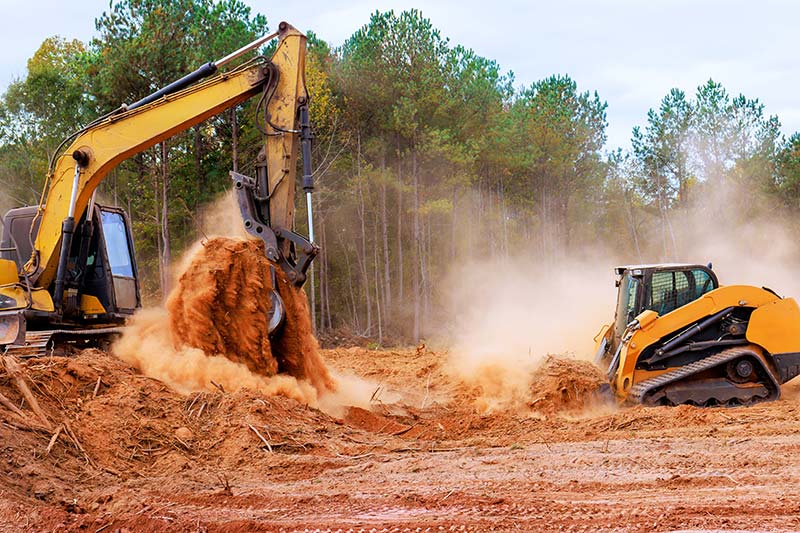
The foundation beneath your asphalt driveway determines how well it performs. Proper base preparation includes excavation, grading, and compacting aggregate. This process ensures stability and drainage.
If the existing ground is soft or uneven, more excavation and stone will be needed. That work adds cost but prevents future problems. Skipping base preparation is one of the most expensive mistakes homeowners make.
Driveways built over old gravel or failed pavement often require removal and replacement. This adds labor and disposal costs. However, it creates a clean slate for a durable surface.
Quality asphalt paving always starts from the ground up. Paying for a strong base reduces long-term maintenance and repair expenses.
Grading and Drainage Considerations
Water is the enemy of pavement. Proper grading allows water to flow away from your asphalt driveway instead of pooling on the surface. Drainage planning is essential in areas with frequent rainfall.
Driveways on slopes require careful grading to prevent erosion and runoff damage. Additional grading equipment and labor may be required. These steps increase upfront cost but protect the driveway structure.
Poor drainage leads to cracks, potholes, and base failure. Repairing these issues later costs far more than addressing them during installation. Prevention is always more affordable.
An experienced asphalt company in north Georgia understands local soil and rainfall patterns. That knowledge helps design driveways that last through seasonal changes.
Removing an Existing Driveway
If you are replacing an old driveway, removal costs must be factored in. Asphalt or concrete removal involves breaking up the surface, hauling debris, and preparing the site. This work adds to the total project price.
Removal costs vary based on thickness and accessibility. Heavily reinforced concrete costs more to remove than thin asphalt. Disposal fees also affect pricing.
Some projects allow for asphalt overlay instead of full removal. This option can reduce cost if the base is still stable. However, overlays are not always recommended.
A professional asphalt company will evaluate whether removal or overlay is the smarter long-term option. That guidance helps you Calculate the Cost of an Asphalt Driveway accurately.

Residential vs Commercial Asphalt Costs
Residential asphalt driveway projects usually cost less per square foot than commercial paving due to lighter load requirements. Commercial surfaces need thicker asphalt and stronger bases to handle traffic.
Parking lots and shared driveways also require striping and signage. These extras increase total cost. Commercial projects often involve stricter regulations and inspections.
That said, larger commercial jobs may benefit from economies of scale. The per-square-foot cost can decrease as total area increases. Equipment efficiency plays a role here.
Whether residential or commercial, quality asphalt paving follows the same principles. Proper design ensures safety, durability, and value.
Seasonal Timing and Price Fluctuations
Asphalt pricing can change throughout the year. Warmer months are ideal for installation, which increases demand. Higher demand can slightly raise prices.
Cold-weather paving is possible but limited. Asphalt must stay within specific temperature ranges to compact properly. Off-season work may be less expensive but comes with scheduling constraints.
Material costs also fluctuate with oil prices. Asphalt binder is petroleum-based, so market changes affect pricing. These shifts are beyond the control of any asphalt company.
Planning ahead allows flexibility in scheduling and budgeting. Early estimates help lock in expectations before prices change.
Labor and Equipment Costs Explained
Labor is a significant part of asphalt paving costs. Skilled operators, crew size, and time on site all factor in. Quality workmanship reduces future repair needs.
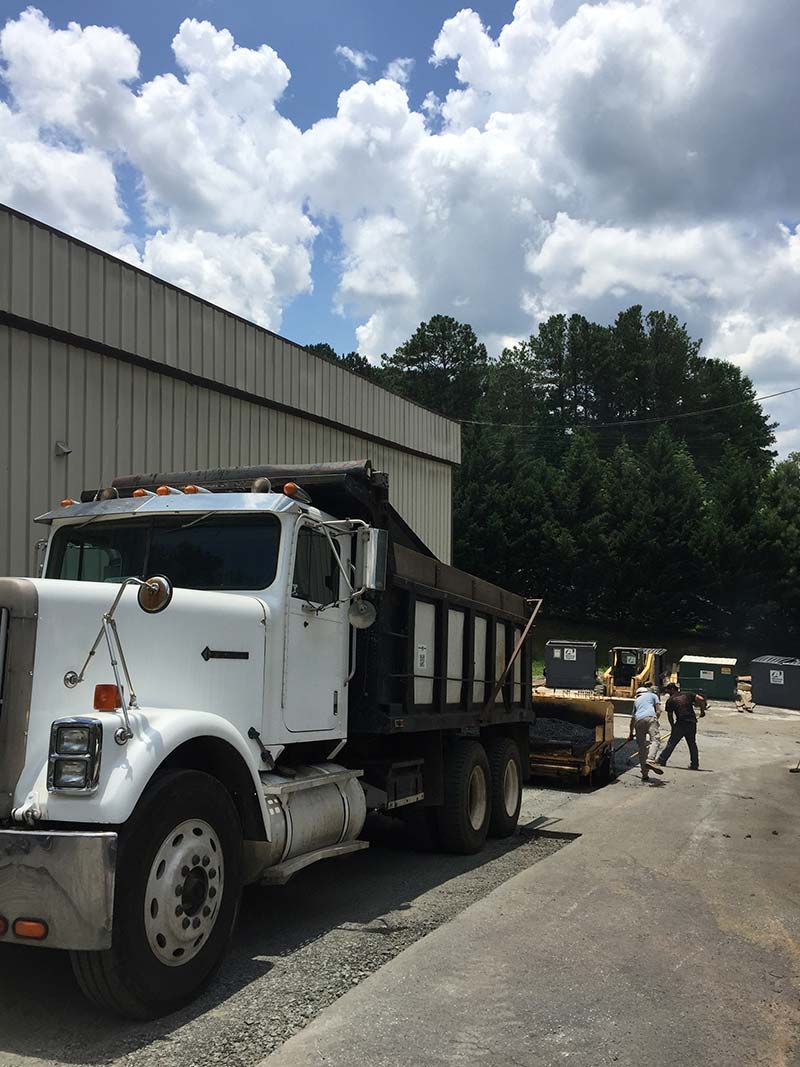
Heavy equipment like pavers, rollers, and dump trucks adds operational cost. Fuel, maintenance, and transportation are included in project pricing. These tools ensure proper installation.
Smaller projects may have higher per-square-foot labor costs because setup time remains the same. Larger projects spread that cost more efficiently.
Choosing an experienced asphalt company in north Georgia ensures skilled crews handle your project with care. That expertise protects your investment.

Using an Asphalt Cost Calculator
An asphalt cost calculator is a helpful starting tool. It estimates pricing based on size and average rates. This gives a ballpark figure for budgeting purposes.
Calculators do not account for grading, drainage, or soil conditions. They also do not include removal or custom design features. These factors can significantly affect cost.
Use a calculator to prepare questions for your contractor. It helps you understand whether a quote is reasonable. It should never replace a professional site evaluation.
At CCS Construction, we provide detailed estimates after assessing your property. That accuracy matters when trying to Calculate the Cost of an Asphalt Driveway realistically.
Long-Term Maintenance Costs to Consider
The initial price of an asphalt driveway is only part of the total cost. Maintenance plays a role in long-term value. Sealcoating every two to three years protects the surface.
Crack sealing prevents water infiltration and base damage. These small repairs cost far less than full resurfacing. Routine care extends driveway life significantly.
Ignoring maintenance leads to premature failure. Repairs then become larger and more expensive. Budgeting for upkeep saves money over time.
A well-maintained asphalt driveway can last 20 to 30 years. That lifespan delivers strong value for the initial investment.
Comparing Asphalt to Other Driveway Materials
Concrete driveways often cost more upfront than asphalt. They also take longer to cure and can crack in freeze-thaw conditions. Repairs are usually more noticeable.
Gravel driveways cost less initially but require frequent maintenance. They also lack the clean look of an asphalt driveway. Dust and erosion are common issues.
Pavers and decorative options cost significantly more. They offer visual appeal but require more labor and maintenance. Not every budget supports these choices.
Asphalt strikes a balance between cost, durability, and appearance. That balance makes it a smart choice for many properties.
Choosing the Right Asphalt Company
Not all contractors deliver the same results. A reputable asphalt company provides clear estimates, detailed plans, and honest recommendations. Experience matters.
Look for companies familiar with local soil and climate. An asphalt company in north Georgia understands regional challenges and regulations. That knowledge improves outcomes.
Avoid quotes that seem unusually low. They often cut corners on base preparation or thickness. Those shortcuts cost more later.
At CCS Construction, we educate our customers before work begins. Transparency builds trust and better results.
How CCS Construction Approaches Asphalt Pricing
We believe every project deserves a tailored plan. Our team evaluates site conditions, usage needs, and budget goals. This ensures accurate pricing and lasting performance.
We explain every cost component so you know what you are paying for. There are no hidden surprises. Our goal is clarity and confidence.
Our experience in asphalt paving across north Georgia allows us to design efficient solutions. That efficiency saves time and money.
When you work with CCS Construction, you gain a partner focused on long-term value. That mindset sets us apart.
Final Thoughts on Calculating Asphalt Driveway Costs
Learning how to Calculate the Cost of an Asphalt Driveway empowers you as a property owner. Understanding size, thickness, base preparation, and maintenance leads to better decisions. Knowledge protects your investment.
An asphalt driveway is not a one-size-fits-all product. Each project deserves careful planning and honest pricing. Rushing the process leads to regret.
Using tools like an asphalt cost calculator helps with early budgeting. Pairing that with a professional evaluation ensures accuracy.
At CCS Construction, we are here to guide you through every step. When you are ready, we are ready to help you build something that lasts.
FAQ
How long should I wait before driving on a new asphalt driveway?
Most asphalt driveways can handle light vehicle traffic within 24 to 48 hours.
Does color fading affect the performance of asphalt?
Fading is cosmetic and does not impact structural integrity.
Can tree roots damage an asphalt driveway?
Yes, aggressive roots can cause cracking if not addressed during installation.
Is sealcoating required for every asphalt driveway?
Sealcoating is recommended to extend lifespan but timing depends on usage and exposure.
Can asphalt be installed in shaded areas?
Yes, but proper drainage is critical to prevent moisture-related issues.